
Social Cognition: From Human Interaction to the Foundations of Clinical Care
Dr. Samaneh Sazegar Nejad, a faculty member of the Department of Speech therapy at the University of Social Welfare and Rehabilitation, explored the multifaceted nature of social cognition during the “Book Café” event and highlighted its profound significance in everyday communication, social functioning, and clinical intervention.
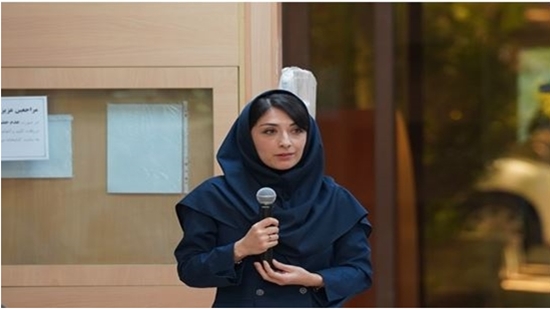
She explained that social cognition is not limited to ordinary social behavior, but includes essential and highly rapid mental processes such as social attention, interpretation of social situations, Theory of Mind and executive functions. These processes, which unfold within fractions of a second, make it possible for individuals to navigate social environments, understand information, and respond in ways that are appropriate to the moment and the context.Dr. Sazegar Nejad further noted that social skills are shaped by a complex interplay of factors, including environmental context, personal mental background, feedback from the surrounding environment, and internal dimensions such as knowledge, goals, and expectations. She emphasized that this dynamic cycle of social cognition is closely intertwined with mental health and should be recognized as a vital component of human functioning.On the sidelines of the event, the Persian and English versions of the publisher’s website were officially unveiled, along with a display of the books acquired during the May Virtual Book Fair. The session also featured the introduction of the book Teaching Theory of Mind and Social Skills, offering a meaningful space for reflection and dialogue on the connection between cognition, communication, and human connection.

نظر دهید